The exhibition, which will remain open to the public until 26 April, features a series of drawings and artworks that form part of the therapeutic process supporting people who are rebuilding their lives following an addiction.
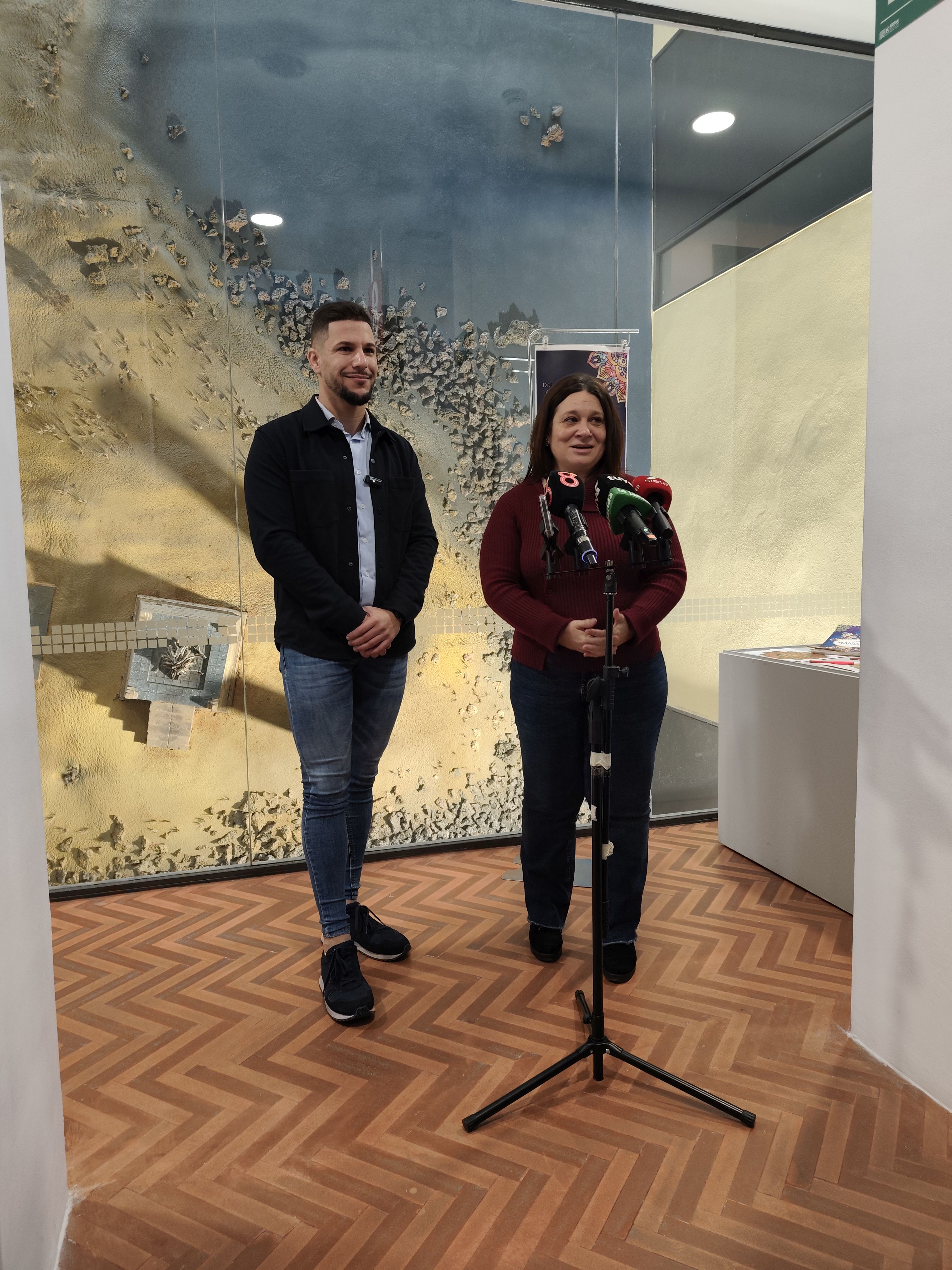
The Councillor for Culture, Susana Rivas, and the director of the Antolex Clinic, Alejandro Manejo, opened the first of the temporary exhibitions in the Chiclana Museum’s new programme for 2026 at midday today. Entitled ‘Mandalas: Healing through Art’, the exhibition will remain open to the public until 26 April.
It has been the Museum’s aim to accommodate the most diverse artistic expressions within its galleries. It was thus that, somewhat unusually for the museum, an exhibition on tattoos took place a few years ago. It was this exhibition that brought the Museum into contact with tattoo artists whose work is closely linked to health. This led to the exhibition on healing tattoos, in which the therapeutic dimension of art takes centre stage. Now, a few years later, the Museum returns to the theme of the therapeutic power of art, this time through mandalas. Just as the tattoo exhibition drew on the expertise of professionals in the field, so too does this one. The Museum has therefore benefited from the invaluable assistance of the Antolex Clinic, which specialises in the treatment of addictions, for this exhibition.
Susana Rivas sought to highlight “the healing and restorative role played by art, something we previously highlighted with the exhibition of healing tattoos that we were able to enjoy here in this very museum. In this case, we are highlighting this social function fulfilled by the artistic sphere through mandalas, showing how healing through this medium plays a very important role in addressing various issues linked to people’s health”.
The mandala is considered a genuine therapeutic tool in the recovery processes of people with addiction problems, in the words of Alejandro Manejo, director of the aforementioned clinic, where mandalas form part of a tool used within treatment to promote emotional regulation, concentration and mental reorganisation in patients during their recovery process. “The works that visitors can see in this exhibition are not merely drawings. They are part of a profound therapeutic process that supports people who are rebuilding their lives after an addiction.”
“From a psychological perspective,” he adds, “creating mandalas helps to develop key skills such as mindfulness, patience, frustration tolerance and anxiety management. During the creative process, the mind focuses on the present moment, reducing the mental noise and impulsive thoughts that characterise addiction. On a biological and neurological level, repetitive, structured and creative activities such as mandala-making stimulate areas of the brain linked to the prefrontal cortex, which is responsible for functions such as self-control, decision-making and planning”, precisely some of the functions most affected during addiction.
This new exhibition brings together some twenty pieces, in which “each mandala on display represents time spent on discipline, effort and reflection. For many of the patients who created them, these moments of concentration have also been moments of inner silence, self-awareness and personal reconstruction.” This exhibition is, therefore, a testament to something far deeper than an artistic activity: it is proof that recovery is possible and that, step by step, human beings can rediscover themselves and take back control of their lives.


Leave a comment